How to Pack Fragile Items Safely?


Fragile Items packing featured image

Packing fragile items can feel like navigating a minefield—one wrong move, and your cherished belongings could end up in pieces.

Whether you’re relocating to a new home or simply putting your valuables into storage, knowing how to properly protect delicate items is crucial. From fine China and glassware to electronics and family heirlooms, every breakable item deserves special attention.

While tasks like packing clothes for moving might seem more straightforward, it’s the fragile items that truly require an expert touch.

In this guide by Book A Move, we’ll walk you through everything you need to know about packing fragile items safely, using expert tips and proven techniques. 
Why Packing Fragile Items Properly Matters?

Unlike clothing or books, fragile items can’t withstand pressure or impact. Poor packing techniques lead to cracks, chips, or complete breakage. Proper packing ensures your items arrive in the same condition they left—whether you’re moving across the street or storing them for months.

Essential Packing Supplies

Essential Packing Supplies

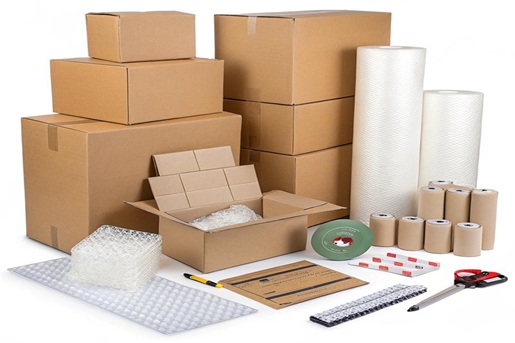
Before you begin packing, gather the right supplies. Investing in quality materials can save you hundreds in broken items down the line.

You’ll need:
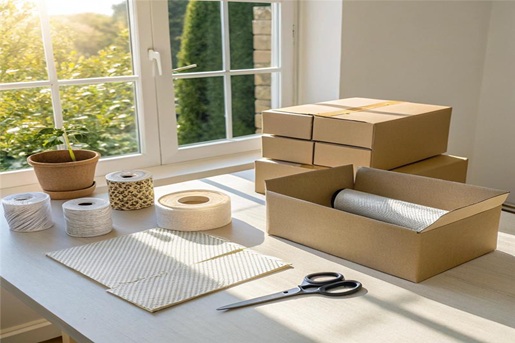
  • Sturdy boxes in various sizes (double-walled if possible)
  • Packing paper or newspaper (unprinted preferred to avoid ink stains)
  • Bubble wrap
  • Foam sheets or packing peanuts
  • Stretch wrap or cling film
  • Strong packing tape
  • Scissors and a marker pen
  • Labels and fragile stickers
  • Dividers for glassware or bottles (optional but helpful)

Step-by-Step Guide to Packing Fragile Items Safely

1. Create a Packing Station

Box Packing Station

Set up a clean, flat surface with enough space to lay out your materials. This will keep things organised and reduce the chance of dropping or damaging items mid-pack.
 

2. Line the Bottom of the Box

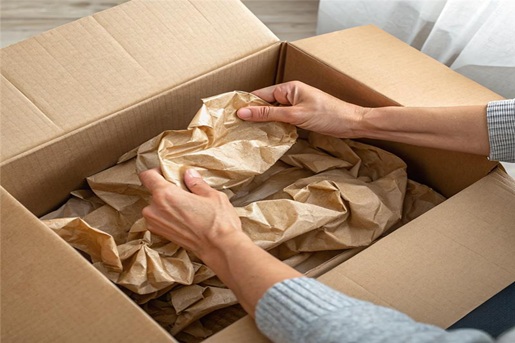
Soft Cushioning Packing Material

Begin by lining the bottom of the box with a soft cushioning layer such as crumpled paper or foam padding to absorb any impact during transit. Crumpled packing paper, foam, or bubble wrap works well. This acts as a shock absorber for the contents above.
 

3. Wrap Each Item Individually

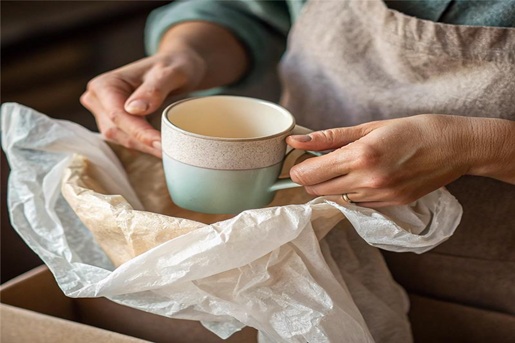
Cup Packing

Never place fragile items directly against each other. Individually wrap each fragile item using packing paper or bubble wrap to create a protective barrier and reduce the risk of chips, cracks, or breakage.
  • Plates: Wrap each plate with packing paper and stack vertically like vinyl records.
  • Glasses and Cups: Fill the interior of each item with crumpled paper to help them hold their shape, then carefully wrap the outside in additional paper and secure it with tape.
  • Bowls: Stack bowls together by placing protective padding between each piece. Wrap the entire stack securely to keep them snug and safe.
  • Electronics: Use anti-static bubble wrap and original packaging if possible. Remove batteries and label cords.
  • Decorative Items: Use several layers of wrapping material around items with irregular shapes. Fill any empty spaces in the box with foam peanuts or similar padding to prevent shifting.


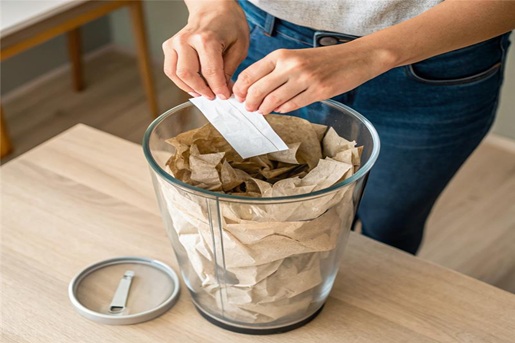
4. Stuff Hollow Items

Stuff Hollow Items

For items like glasses, vases, and jars, fill the hollow interiors with crumpled paper. This internal padding reinforces the structure and helps prevent cracks or collapse under pressure.
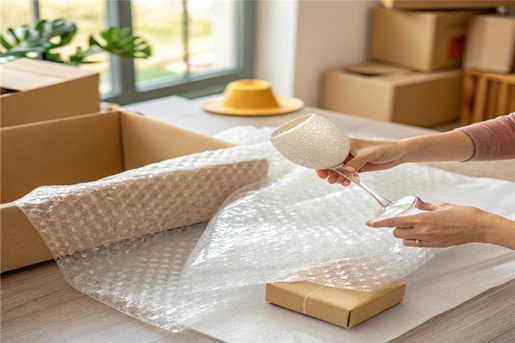
 

5. Use the Burrito Method

Wine Glass Packing

Lay your item diagonally on your wrap material, then roll it snugly like a burrito. Fold the box flaps inward and tape them down securely to keep the box sealed tightly. This technique offers all-around protection, especially for round or delicate items.
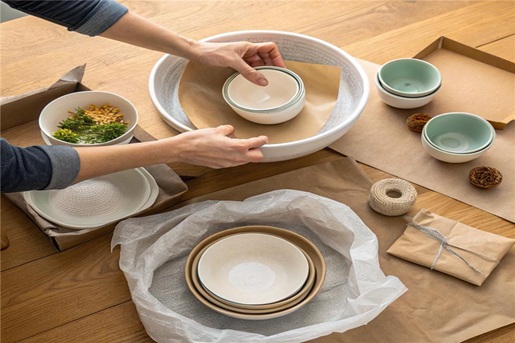
 

6. Nest Items Cautiously

Bowls Packing

If you’re nesting smaller dishes or bowls, add a layer of packing paper between each one to avoid scratches and pressure cracks. Keep the nesting to no more than three to four items to prevent breakage.
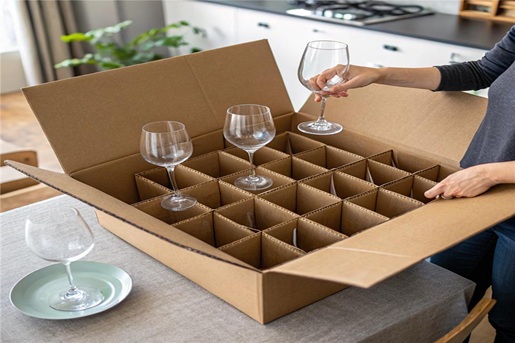
 

7. Use Dividers for Glassware

Glass Packing Box

For stemware and glasses, use cardboard dividers to create individual compartments within the box. This method prevents the fragile rims and stems from knocking into each other during the move.
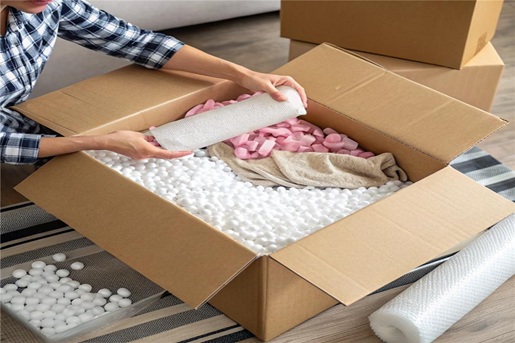
 

8. Pad the Box Interior

Packing Safety Materials

Once all your items are inside, make sure to fill every empty space in the box with soft materials like packing peanuts, crumpled paper, or fabric to avoid movement. Empty spaces allow movement during transit, increasing the risk of breakage.
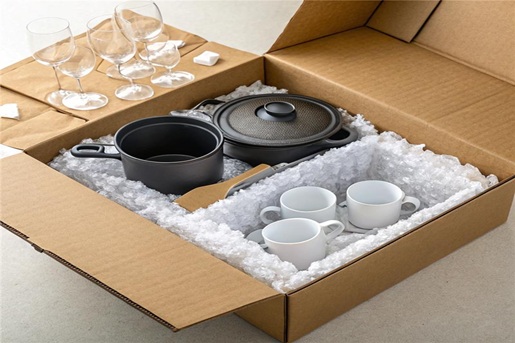
 

9. Pack in Layers with Purpose

Cups & Pot Packing Box

Begin with your heavier, more solid items at the bottom of the box. Place a cushioning layer above them, then gently add the lighter, more delicate objects on top. This method helps distribute weight evenly and reduces the chance of anything being crushed.
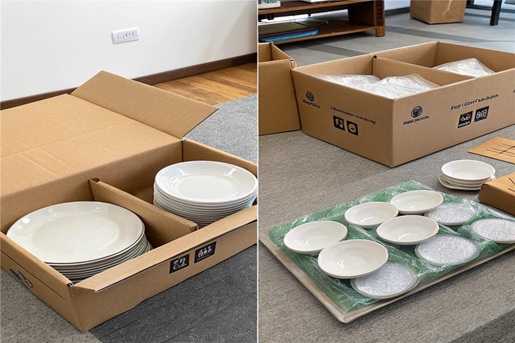
 

10. Choose Smaller Boxes for Heavier Fragile Pieces

Plate Packing Box

Avoid overloading large boxes with heavy breakables like ceramic dishes. Use smaller boxes that are easier to lift and less likely to break open under pressure.
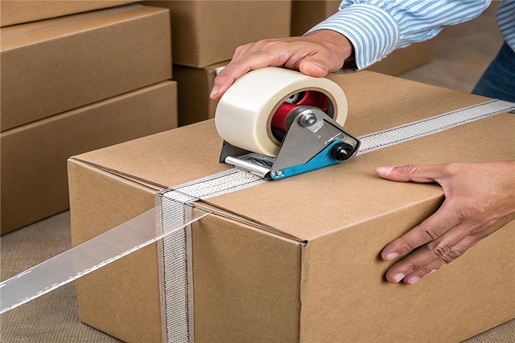
 

11. Reinforce Weak Spots

Box Taping

Double tape the bottom seams and corners of your boxes to strengthen their structure. If the box shows signs of wear, add an extra layer of cardboard or switch to a sturdier container.
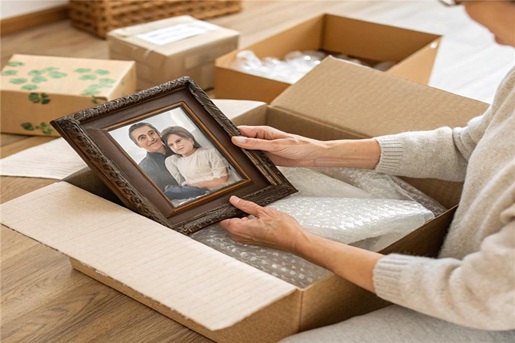
 

12. Double Wrap Valuable or Sentimental Items

For high-value or emotionally significant items, wrap them in two layers of bubble wrap or foam. Consider adding a soft cloth or towel for extra shock absorption.
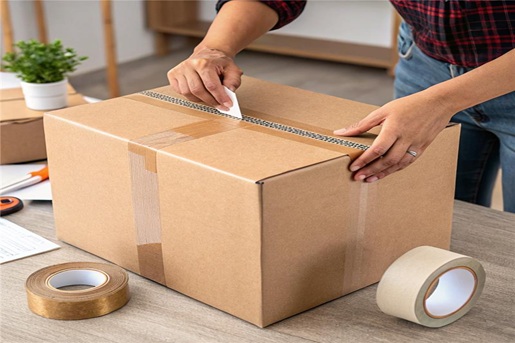
 

13. Seal with Care

Cardboard Box Packing

Use strong, heavy-duty tape to close the box. Reinforce both the top and bottom flaps, and apply extra tape along all seams and corners for added security.
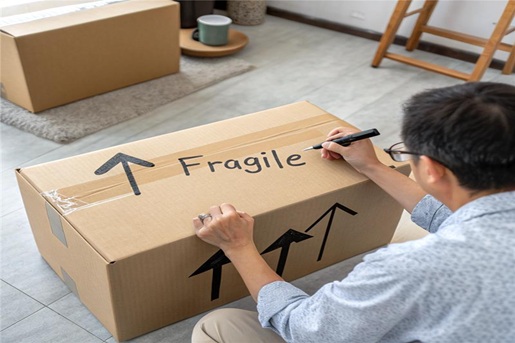
 

14. Label Clearly and Specifically

Fragile Items Packing Box

Mark the box with “FRAGILE” in large, bold letters on all sides. Add “THIS SIDE UP” arrows and specify the contents, such as “Glassware” or “Electronics,” to ensure careful handling.
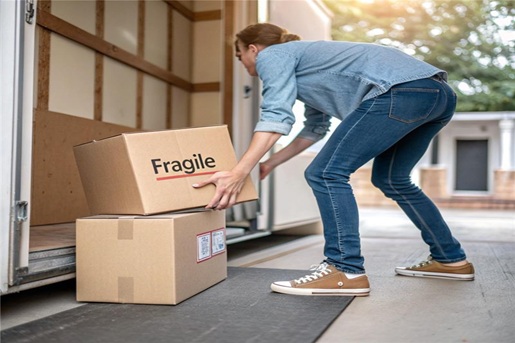
 

15. Handle with Intention

Fragile Box Moving

When moving the box, lift it carefully and avoid tilting or stacking heavy items on top. Keep fragile boxes separate from bulkier loads and ensure they’re the last to load and first to unload.

Special Tips for Different Types of Fragile Items

Glassware and Ceramics
  • Avoid cramming too much into one box. Overpacking can create excess pressure and lead to damage.
  • For extra protection, consider using specialty boxes such as dish packs or those that come with built-in dividers to separate fragile items.
  • You can also nest smaller items inside larger ones, ensuring there’s protective material like paper in between to prevent scratches or breakage.
Mirrors and Frames
  • Use corner protectors for fragile, angular items and wrap them in bubble wrap for added cushioning.
  • Place flat or delicate pieces between rigid surfaces like foam boards or sheets of cardboard to prevent bending or cracking.
  • Transport upright rather than flat to reduce stress on the glass.
Electronics
  • Backup your data before packing.
  • Remove batteries and detachable parts.
  • Label cords and wrap them separately.
Lamps and Lampshades
  • Remove the bulb and lampshade.
  • Pack the base and shade separately.
  • Use lots of paper to fill the inside of the shade.
Artwork and Antiques
  • Consult a professional for high-value items.
  • Use acid-free paper for delicate surfaces.
  • Wrap in a soft cloth before bubble wrapping.

Mistakes to Avoid When Packing Fragile Items

  1. Rushing the process – Take your time; haste leads to breakage.
  2. Using flimsy boxes – Weak boxes collapse or tear under weight.
  3. Skipping internal padding – Items will shift and clash during movement.
  4. Ignoring labels – Movers need to know what needs gentle handling.
  5. Overloading boxes – It increases the risk of dropping and damaging contents.

Best Practices for Moving or Storing Fragile Items

  • Pack early: Don’t leave fragile items for the last minute.
  • Keep an inventory: Especially useful if you’re moving a lot of items.
  • Transport carefully: Load fragile boxes last and unload them first.
  • Climate control: If storing, choose a facility with temperature control.

What to Do If Something Breaks ?

Despite your best efforts, accidents happen. Document your packing process and consider taking pictures of valuable items before packing. If you’re using a professional mover or storing items, ask about insurance coverage. Many services offer additional protection for fragile goods.

Final Thoughts

With the right supplies, techniques, and a bit of patience, you can ensure your precious belongings stay intact through any move or storage. Taking extra time now means avoiding heartache later.

So the next time you’re wrapping up your life in boxes, remember: a little care goes a long way—especially when it comes to the fragile things.

Need help with your move or storage in Australia? Reach out to your local experts for tailored, trustworthy service that treats your items with the care they deserve.


writer's bio

Alice

Alice, an ace content strategist and writer with years of experience crafting compelling narratives across diverse industries, excels at turning complex topics into engaging, easy-to-understand content. Known for her knack for blending storytelling with strategic insight. Alice creates blogs, articles, and press releases that not only inform but also resonate with readers. Her dedication to understanding industry trends and audience needs ensures every piece he writes delivers value, clarity, and impact. Whether it’s simplifying gold trading insights, curating coffee shop strategies, or championing local businesses, Alice’s words leave a lasting impression.